keep safe with the power of hi thealite: A Simple Guide to Online Safety and Smart Digital Habits
The internet is now part of everyday life. People use websites, apps, emails, social media, online banking, digital services, and content platforms every day. This makes life easier, but it also creates safety risks. Users must know how to protect their personal information, avoid scams, use websites carefully, and make smart digital decisions. This guide on keep safe with the power of hi thealite is created to help readers understand online safety in simple English.
Thealite is a digital platform where users may explore content, online updates, guest posting, digital information, and helpful guides. When users visit any online platform, they should feel informed and protected. Safety is not only about using strong passwords. It is also about awareness, privacy, secure communication, responsible browsing, and careful decision-making.
This article explains how users can stay safe online, protect their data, avoid risky links, use digital platforms wisely, and build better online habits.
What Does keep safe with the power of hi thealite Mean?
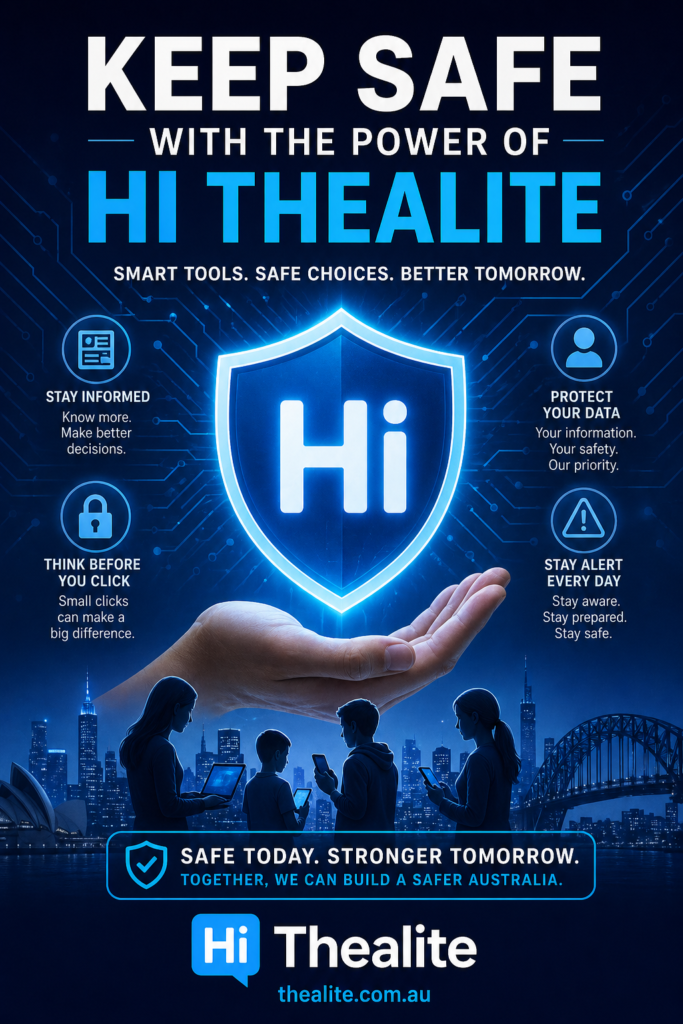
keep safe with the power of hi thealite means using Thealite and other online platforms with safety, awareness, and confidence. It is about understanding how digital tools can help users while also knowing how to avoid online risks.
Online safety includes many areas, such as:
| Safety Area | What It Means |
|---|---|
| Personal privacy | Protecting your name, email, phone number, and private details |
| Password safety | Using strong and unique passwords |
| Link safety | Checking links before clicking |
| Payment safety | Using secure methods for online transactions |
| Content awareness | Understanding that not all online information is perfect |
| Communication safety | Avoiding fake messages and suspicious emails |
| Website safety | Using trusted websites and secure connections |
| Data protection | Keeping personal and business data safe |
The main idea is simple: enjoy the benefits of the internet, but stay alert.
Why Online Safety Is Important
Online safety is important because the internet is full of both useful and risky content. Many websites provide helpful information, but some websites, links, messages, and offers can be unsafe. A small mistake, such as clicking a fake link or sharing a password, can create serious problems.
Online safety helps protect:
- Personal information
- Business details
- Website accounts
- Email accounts
- Payment details
- Social media profiles
- Customer data
- Online reputation
For bloggers, businesses, students, freelancers, and normal users, digital safety is now a basic need.
The Role of Thealite in Digital Awareness
Thealite can support users by sharing helpful content in easy English. A good digital platform should not only publish information but also guide users toward safer online habits.
Thealite can help readers understand:
- How to browse safely
- How to avoid suspicious links
- How to protect personal details
- How to use online services carefully
- How to understand guest posting safely
- How to check information before trusting it
- How to improve digital knowledge
The purpose of keep safe with the power of hi thealite is to make online safety easier for readers who may not be technical experts.
Protect Your Personal Information
Personal information is valuable. Many online risks start when users share too much information without checking where it is going.
Personal information may include:
- Full name
- Phone number
- Email address
- Home address
- Business details
- Passwords
- Payment details
- Identity documents
- Private files
- Website login details
You should never share sensitive information unless it is necessary and the website is trusted. If any website or person asks for private details without a clear reason, be careful.
A safe rule is simple: share only what is needed.
Use Strong Passwords
Passwords are the first layer of protection for online accounts. Weak passwords are easy to guess. Many users still use simple passwords like “123456,” “password,” or their name. These are unsafe.
A strong password should include:
- Capital letters
- Small letters
- Numbers
- Symbols
- At least 12 characters
- No personal name
- No birth date
- No common words
Example of a weak password:
thealite123
Example of a better password:
Tla@Safe9842Power
You should also avoid using the same password for every account. If one account is hacked, other accounts may also become unsafe.
Be Careful with Suspicious Links
Links are everywhere online. You may see links in emails, messages, social media posts, guest posts, advertisements, and websites. Some links are safe, but others may lead to fake or harmful pages.
Before clicking a link, check:
| Checkpoint | Why It Matters |
|---|---|
| URL spelling | Fake websites often use similar names |
| HTTPS | Secure websites usually start with HTTPS |
| Source | Links from unknown senders can be risky |
| Message tone | Urgent or threatening messages may be scams |
| Offer | Very unrealistic offers may be fake |
| Website design | Poor design can be a warning sign |
If a link looks strange, do not click it.
Safe Use of Guest Posting Platforms
Guest posting is useful for bloggers, businesses, SEO experts, and digital marketers. It helps brands publish content, build authority, and reach new audiences. However, guest posting should be done carefully.
Before using any guest posting service, check:
- Website quality
- Content guidelines
- Publishing rules
- Link policy
- Payment terms
- Refund rules
- Contact method
- Publishing timeline
- Content ownership
- Editing policy
A professional platform should explain things clearly. If the process is confusing or hidden, ask questions before moving forward.
For safe guest posting, always submit original, helpful, and relevant content.
Avoid Fake SEO Promises
Many people search for SEO services, backlinks, guest posts, and website growth methods. Some sellers make big promises, such as instant ranking, guaranteed first position, or thousands of visitors in one day.
These claims are usually not reliable.
SEO depends on many factors:
- Website quality
- Content quality
- Competition
- Backlinks
- Technical SEO
- Search engine updates
- User behavior
- Website speed
- Mobile experience
- Brand authority
No honest platform can guarantee exact Google rankings. The smart approach is to focus on long-term quality, helpful content, and ethical SEO methods.
Keep Your Website Safe
If you own a website, website security should be a top priority. A hacked website can damage your business, SEO, traffic, and trust.
Website owners should follow these safety steps:
- Use secure hosting
- Keep WordPress or CMS updated
- Update themes and plugins
- Remove unused plugins
- Use strong admin passwords
- Add SSL certificate
- Create regular backups
- Monitor suspicious activity
- Use trusted tools only
- Avoid downloading unknown files
A safe website protects both the owner and the visitors.
Be Careful with Online Payments
Online payments are common, but users should always check details before paying. Whether you are buying a service, ordering a guest post, paying for content, or using a digital tool, safety matters.
Before making a payment:
| Step | Reason |
|---|---|
| Confirm service details | Prevents confusion |
| Check price clearly | Avoids hidden charges |
| Ask about refund policy | Helps in case of problems |
| Use secure payment methods | Reduces payment risk |
| Keep payment proof | Useful for records |
| Avoid rushed payments | Prevents scam decisions |
| Read terms | Helps you understand the service |
Never send money to unknown people without clear agreement.
Safe Communication Online
Communication is an important part of online work. Users may contact websites, service providers, guest post sellers, writers, clients, or businesses. Clear and safe communication can prevent misunderstandings.
Safe communication tips include:
- Use official contact methods
- Do not share passwords in messages
- Keep records of important chats
- Confirm all service details
- Avoid unknown attachments
- Be careful with urgent requests
- Do not send private files without need
- Ask questions before making decisions
Professional communication protects both sides.
Understand Content Limitations
Online content is useful, but it may not always be complete or perfect. A blog post, guest article, or online guide may give general information, but it may not fit every user’s personal situation.
Before using online content:
- Check the date of publication
- Compare with other sources
- Understand your own needs
- Avoid relying on one article only
- Consult a professional for serious matters
- Think carefully before taking action
This is especially important for legal, financial, medical, technical, or business decisions.
Privacy Awareness for Users
Privacy means controlling what information you share and how it is used. Many websites collect basic data through contact forms, analytics, cookies, newsletters, or user messages.
Before sharing information, check whether the website has:
- Privacy policy
- Contact page
- Disclaimer page
- Terms and conditions
- Clear data use explanation
- Secure contact forms
Good privacy awareness helps users avoid unnecessary data sharing.
Safe Browsing Habits
Safe browsing habits can protect you from many common online problems. You do not need advanced technical skills. Simple habits can make your online experience safer.
Good browsing habits include:
- Keep your browser updated
- Use antivirus software
- Avoid suspicious pop-ups
- Do not download unknown files
- Check website URLs
- Avoid public Wi-Fi for payments
- Log out from shared devices
- Use private browsing when needed
- Clear cache and cookies sometimes
- Avoid saving passwords on public computers
These habits are easy but very effective.
How Businesses Can Stay Safe Online
Businesses use websites, emails, customer data, online payments, social media, and digital tools. This means businesses need stronger safety practices.
Business safety tips include:
| Business Area | Safety Tip |
|---|---|
| Use secure business email | |
| Website | Keep backups and updates |
| Customer data | Store only necessary information |
| Payments | Use trusted payment systems |
| Staff access | Give limited access where needed |
| Social media | Protect accounts with strong passwords |
| Content | Avoid copying or misleading information |
| SEO | Avoid spammy backlinks |
A safe business builds more trust with customers.
How Bloggers Can Stay Safe Online
Bloggers also need digital safety. Many bloggers use WordPress, plugins, email lists, affiliate links, guest posts, and social media pages. keep safe with the power of hi thealite
Bloggers should:
- Use strong login details
- Backup their website
- Avoid nulled themes and plugins
- Check guest post quality
- Avoid spam comments
- Protect their email list
- Use copyright-free images
- Check external links
- Keep content original
- Avoid fake traffic services
Blogging success depends on trust, and safety helps protect that trust.
Warning Signs of Unsafe Online Activity
Users should know common warning signs. These signs can help identify risky websites, fake offers, or suspicious people.
Warning signs include:
- No contact information
- No privacy policy
- Very poor website design
- Unrealistic promises
- Pressure to pay quickly
- Suspicious email address
- Unknown file attachments
- Broken or strange links
- Requests for passwords
- No clear service details
- Fake reviews
- No refund or terms information
If you notice these signs, stop and verify.
Safe Digital Checklist
Here is a simple checklist for users who want to stay safe online:
- Use strong passwords
- Do not share private details unnecessarily
- Check URLs before clicking
- Avoid suspicious emails
- Use secure payment methods
- Read website policies
- Keep your browser updated
- Backup your website
- Avoid fake SEO promises
- Verify content before trusting it
- Communicate through official channels
- Keep records of payments and agreements
- Avoid unknown downloads
- Protect business and customer data
- Report suspicious activity when needed
This checklist can help users follow keep safe with the power of hi thealite in daily online life.
Benefits of Safe Online Habits
Safe online habits help users enjoy the internet with more confidence. They reduce risk and improve digital experience.
Main benefits include:
| Benefit | Explanation |
|---|---|
| Better privacy | Your personal data stays protected |
| Fewer scams | You can identify risky offers |
| Secure accounts | Strong passwords reduce hacking risk |
| Safer payments | Secure methods protect money |
| Better trust | Safe websites build confidence |
| Stronger business | Protection improves reputation |
| Better decisions | Awareness helps avoid mistakes |
Online safety is not a one-time action. It is a daily habit.
FAQs
What is keep safe with the power of hi thealite?
keep safe with the power of hi thealite is a guide about using Thealite and other online platforms safely. It explains personal privacy, password safety, guest posting safety, secure payments, link checking, and smart digital habits.
Why is online safety important?
Online safety is important because it protects your personal data, accounts, payments, website, business information, and online reputation from scams, hacking, and misuse. keep safe with the power of hi thealite
How can I protect my personal information online?
You can protect personal information by sharing only necessary details, using secure websites, avoiding suspicious forms, reading privacy policies, and never sharing passwords or private documents without a clear reason.
Are external links always safe?
No, external links are not always safe. Users should check the URL, source, HTTPS connection, and website quality before trusting any external link.
Can guest posting be safe?
Yes, guest posting can be safe when the platform is clear about pricing, guidelines, link policy, publishing timeline, and content rules. Always use original content and avoid spammy methods.
How can I identify fake SEO promises?
Fake SEO promises often include guaranteed first ranking, instant traffic, very cheap backlinks, or overnight success. Real SEO takes time and depends on many factors.
What should I do before making an online payment?
Before making an online payment, confirm service details, check pricing, read refund terms, use secure payment methods, and keep proof of payment.
How can website owners stay safe?
Website owners can stay safe by using strong passwords, updating plugins, creating backups, using SSL, choosing trusted hosting, and monitoring suspicious activity.
Conclusion
The internet is useful, powerful, and full of opportunities, but users must stay careful. Online safety protects personal information, websites, business data, payments, and digital reputation. This guide on keep safe with the power of hi thealite explains how simple habits can make a big difference.
Users should protect passwords, check links, avoid suspicious messages, read policies, use secure payments, and think carefully before sharing information. Bloggers, businesses, students, freelancers, and general readers can all benefit from better online safety.
Thealite can support digital awareness by helping users understand online risks in easy English. When users are informed, they can enjoy the digital world with more confidence.